
Travelling Through the Airport
Many individuals with autism can find travelling through the airport a very difficult and scary experience. For many individuals it represents a new experience which is difficult to understand and sometimes very frightening. Below are a number of simple strategies that can be employed to help the individual with ASD to understand the process of getting through the airport. As all individuals with autism learn and experience social situations in very different ways, selecting the strategy or combination of strategies that best suit you or the individual travelling with you is important. Select the strategy that best fits the individual’s level of understanding. Ensure that you practice using the strategy before you go the airport. This will help you implement it with confidence in the real life situation.
The Hidden Disabilities Sunflower
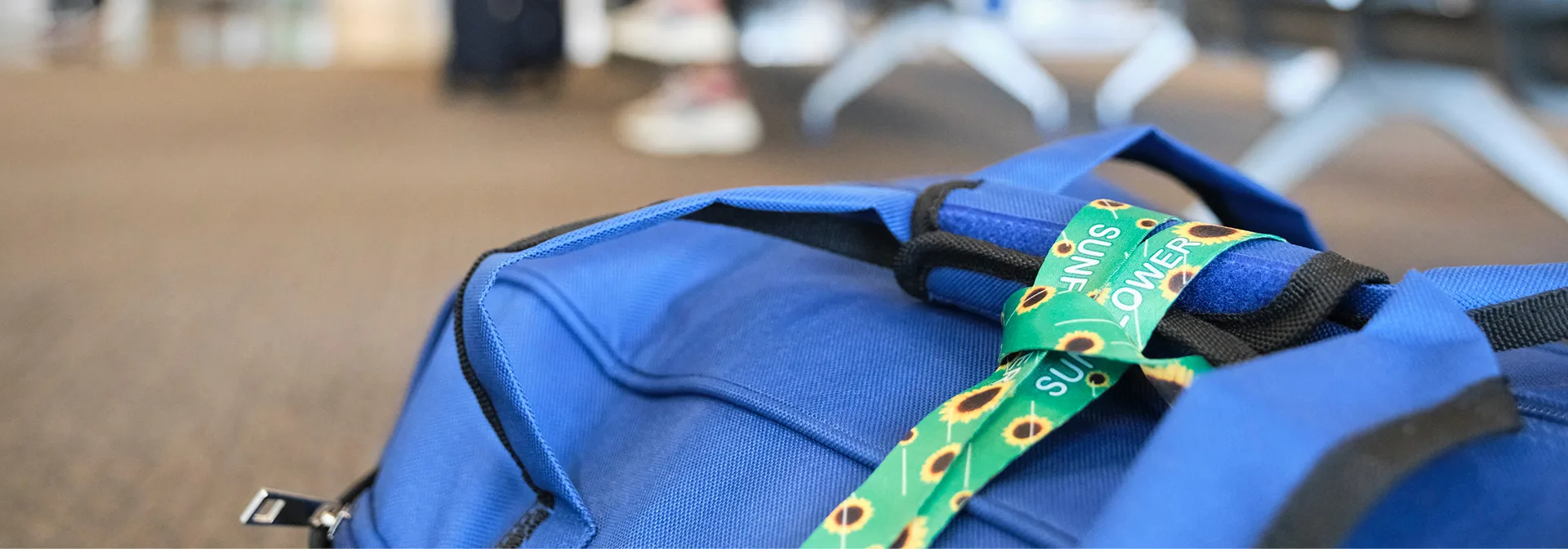
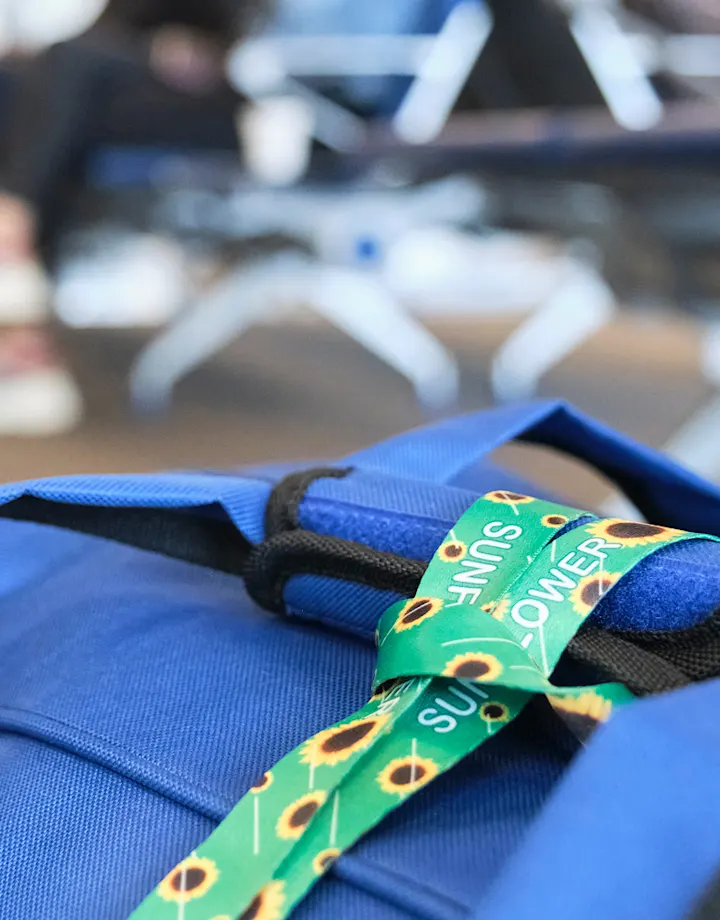
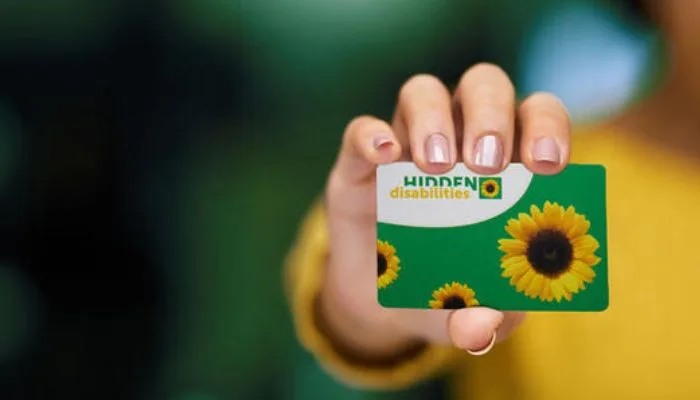
Passengers with hidden disabilities such as autism can now avail of a sunflower lanyard which is instantly recognisable by airport staff. This discreet identification scheme provides those with hidden disabilities the opportunity to avail of additional support from airport staff in a wide variety of areas at Cork Airport. The sunflower lanyard, which is available free of charge at the OCS desk in the airport terminal, is easily recognisable to staff across a wide number of airports in the UK also. The project is part of an initiative by OCS, a large provider of passenger assistance services worldwide. OCS provide the above services at Cork Airport and can be contacted by email at: hostprm1.ork@ocsireland.com or by phone: +353 21 432 9745.
Sensory Pod
Our sound-proof sensory pod which provides an oasis of calm for passengers with hidden disabilities. Airports can be busy places and for some passengers, may be a challenging environment which we recognise, so we are pleased to have the opportunity to provide a sensory pod for use by our passengers. The sensory pod is one of the many measures that we have taken to assist passengers with hidden disabilities. We kindly ask passengers to respect this space and keep available for those who require it most.
Visual Guide
Visual guides are used to support individuals with autism understand social situations. It provides the individual with a short description of the situation and information about what to expect and why. A Visual Guide should include the following elements; description of the social situation/event, the possible/expected perspective of the individual (e.g. how they might feel) and direction to the individual as to how they should act within this situation.
Main parts to include when writing a Visual Guide about the airport
How you are getting to the airport.
Why you are going there- going on holidays/to visit a relative/moving.
Where to get help if needed.
Check-in.
Giving bags/suitcase/backpack at check-in (conveyor belt) Busy and noisy.
Going through security (observing hand gestures/prompts from staff) queues and the possibility of being stopped and searched.
Finding the boarding gates and things you can do while you are waiting (shopping, using the internet, looking at aircraft, getting something to eat).
Waiting to board the aircraft.
Boarding the aircraft.
Important to capture in the story how the airport will be experienced- for example noise, lots of people, waiting for long periods of time.
Visual Supports For Travelling Through The Airport
Visual schedules representing the main parts of transitioning through the airport are often very helpful for individuals who have difficulty in understanding complex language and changes to normal routines. These supports in the form of text, pictures and/or symbols (representing the main parts of the process) help to make sense of the transition. See below for an example: Some individuals can follow long picture schedules while other individuals find it easier to follow shorter schedules (e.g. 2-3 symbols then take a break and prepare the next part of the schedule).
For shorter schedules, put symbols to represent favorite activities/break at a point on the schedule that can be easily accessed for a short period of time. Ensure, as the individual arrives at the break points on the schedule that he/she has time to spend on a preferred activity before continuing on with further transitions. This will help break the long transition through the airport down into smaller manageable transitions for the individual.
Picture Exchange Communication System (PECS)
If the individual you are travelling with uses PECS, make sure to include symbols for the journey. Sometimes it might be important to teach the individual some new symbols before going to the airport so that they can communicate their needs. For example help symbol if they are having difficulty with something/don’t understand or break symbol if they are finding the experience overwhelming and need to find a quiet area to take a break.
Tips For Travelling Through The Airport
Bring back-pack with items for the individual.
Snack, (remember that you can not bring fluids through security unless they are in containers of 100ml or less, food & beverage facilities are available Airside once you pass through security).
Fidget toys, ipod, portable DVD player, book, magazine, favourite small toy, nintendo (remember to check what you can bring. Make sure that a favourite toy can not be mistaken for knife/gun).
Leave plenty of time to get through the airport especially during holiday season.
If you require assistance at any stage with your journey through Cork Airport, assistance can be provided from daa personnel 021 4313131.
OCS (Reduced Mobility Service Provider) can if needed assist you in your journey throughout the airport, they offer additional assistance with travelling through the airport from arrival at the airport right through to boarding of the aircraft. It is strongly advisable that this service is booked in advance through the airline/handling agent as there can on occasion be long delays if only requested when you arrive at the airport.
There are a number of internet stations that might be of interest to your child that will help break up the journey through the airport.
Pack sweets for airplane take-off (stop ears blocking).
Ensure all visual supports are packed for trip.
When At The Airport
The airport is a very busy place and your child may be confused and behave in ways that are out of character.
Ignore people who make comments or stare if your child behaves in a way that attracts attention.
It is important to try to remain calm. If your anxiety levels are raised it may make your child more anxious.
Get their attention by getting down to their eye level, use their name and get eye contact.
Keep directions simple and clear. State what you want them to do.
Use pictures/sign to help support what you are saying (first___ then ___ or we are going here____ next).
Remember you can use disabled toilet facilities if the person you are travelling with needs to use the toilet.
Many individuals with ASD are noise sensitive. If the individual you are travelling with appears to be sensitive to noise, then direct the individual to an item that might help them to cope with the situation. For example some individuals like to listen to an ipod when in a noisy place. Listening to music can be relaxing but can also block out the noise of the airport.